When a heat pump is the right measure
A heat pump is the right endpoint for almost every home that wants off gas or oil — but only when the building is ready for it. Heat pumps deliver water at lower temperatures than boilers, so they excel in houses whose heat demand has been cut and whose emitters suit low-temperature running. Dropped into a leaky, uninsulated house, they disappoint. That is why on our projects the heat source always changes last: at Howard Street the air source heat pump arrived only after internal wall insulation, 300 mm of loft insulation, insulated floors, new timber sashes and controlled ventilation. If your fabric is not there yet, we will say so — and show you the whole-house retrofit route that gets you there.
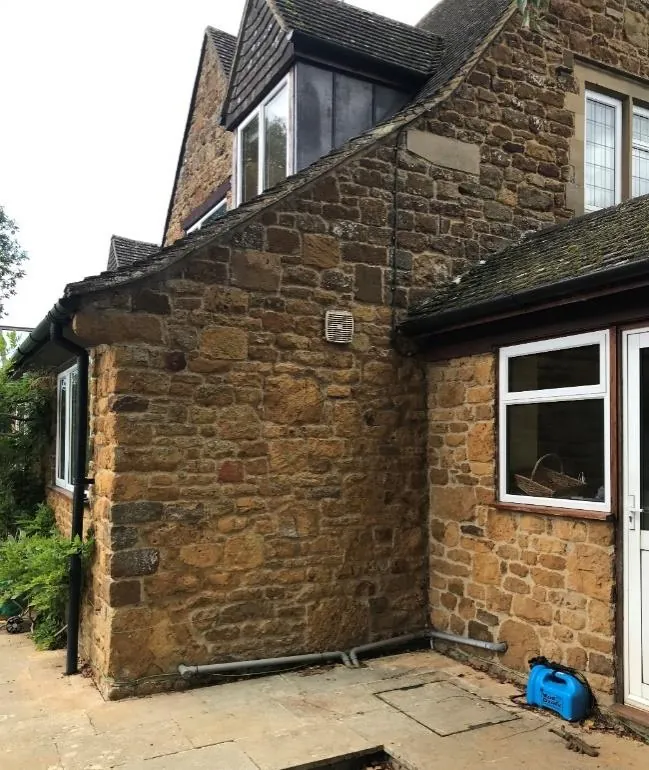
How we do it
- Designed against the finished building. Room-by-room heat-loss calculations run on post-retrofit values, not the leaky baseline. At Orchard House a 17 kW unit and an approximately 300-litre cylinder were referenced at design stage — sized for the insulated house, with filtration, antifreeze protection, flow measurement and modern controls specified alongside.
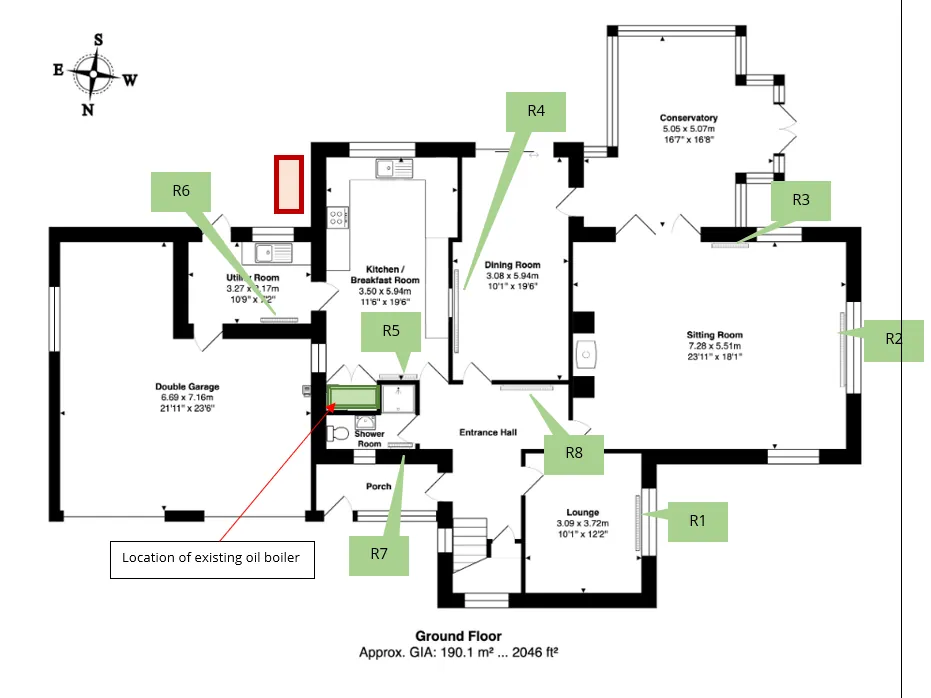
- Emitters verified, not assumed. Every existing radiator is logged and checked against low-flow-temperature output; only the shortfalls are replaced. Where floors are open, underfloor heating becomes the ground-floor emitter — on Howard Street the heat pump feeds UFH downstairs and radiators upstairs, with room-by-room zoned controls and weather compensation (as designed; system delivered).
- Distribution rebuilt where it wastes heat. At Orchard House the old pipework ran through the uninsulated slab — heating the ground. Channels were excavated, new insulated runs laid and re-buried, and the conservatory's existing wet underfloor heating connected into the new system.
- The enabling works planned in. A dedicated electrical supply for the heat pump is run during the rewiring stage, the outdoor unit's base and pipe routes planned before the fabric closes, and hot-water storage upsized — see heating and hot water.
- Installed with our managed certified partners. The certified installation, commissioning, registration and notification duties are completed inside our programme. One contract, one point of accountability.
What it pairs with
A heat pump is the finishing move of the fabric-first sequence: wall insulation, roof and loft insulation, floor insulation with UFH, airtightness and ventilation all come first. Solar PV pairs naturally afterwards.
Proof
At Orchard House near Banbury, a 1970 stone house went from an ageing oil boiler running at no better than about 70% efficiency to an air source heat pump designed against its rebuilt thermal envelope — sixteen radiators checked, pipework re-laid insulated, larger cylinder installed — and was certified EPC B in December 2023 on the public register. Read the full case study.
Questions we're asked
Who installs the heat pump?
The system is designed and coordinated by us and installed with our managed certified partners, inside our programme and our sequence. You deal with one company; we manage the certified installer, the commissioning and the registration and notification duties as part of the contract.
Do heat pumps work in older houses?
Yes — after the fabric is sorted. On Howard Street in East Oxford the heat pump went in last, once walls, roofs, floors and windows were insulated and the house ventilated; the post-works certificate rates the heating 'very good' and the house went from EPC E (49) to B (89). The same heat pump in an uninsulated house would have struggled. Sequencing is everything.
How do you size a heat pump properly?
Against the improved building, never the old one. At Orchard House the design used room-by-room heat-loss calculations on post-retrofit values; all sixteen existing radiators were photographed, logged and checked against low-flow-temperature output, and replaced only where they would fall short. Designing last means a smaller, cheaper, quieter machine.
Can a heat pump replace oil heating?
That is exactly what happened at Orchard House near Banbury: the oil boiler, external tank and old 162-litre cylinder all left the site, replaced by an air source heat pump with substantially larger insulated hot-water storage and new insulated distribution pipework laid in excavated floor channels. The house was certified EPC B in December 2023.